
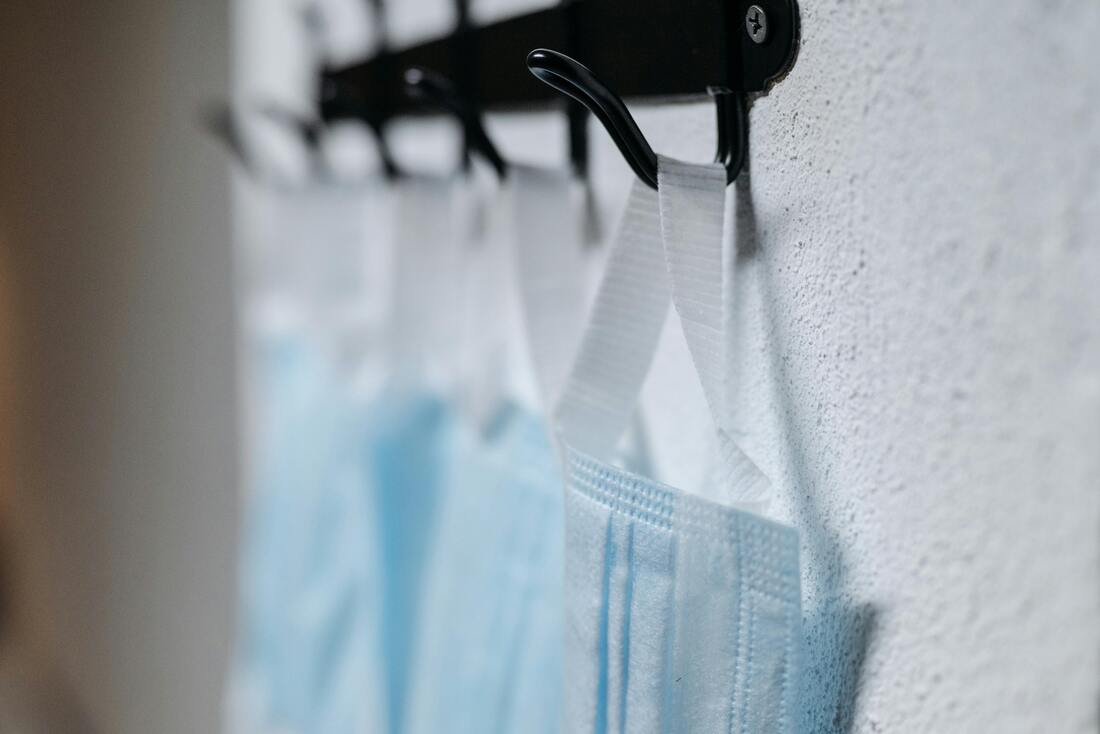
A clothes hook, like a coat or wall hook, is just a small thing you put up to hang your clothes, hats, bags, towels, or whatever. It helps keep the place neat by giving you a spot to hang stuff.
**⚙️ What it's Made Of**
Most clothes hooks have:
* **Base:** This is the part that sticks to the wall, door, or furniture.
* **Hook Part:** The bendy bit that actually holds your stuff.
* **Stuff to Stick It:** Screws, nails, or sticky pads to keep it in place.
**🧱 Styles of Clothes Hooks**
1. **Wall Hooks**
* You screw these right into the wall.
* See them a lot in hallways, bedrooms, or bathrooms.
* Strong and will stay there.
2. **Over-the-Door Hooks**
* They just hang over the top of a door.
* You don't have to drill any holes.
* Work well if you rent or just need something for a bit.
3. **Sticky Hooks**
* These use a sticky back or suction cups.
* Easy to put up and take down.
* Good for light stuff.
4. **Hook Racks**
* Stands that go up and down or side to side with a bunch of hooks.
* See these in hallways or offices.
5. **Hooks that Fold**
* You can flip or fold them when you're not using them.
* Good if you don't have a lot of room.
**🧰 What They're Usually Made Of**
| Material | What It's Like | Where You Might Use It |
| :------------------------- | :-------------------------------------- | :----------------------------- |
| Metal (steel, brass, etc.) | Lasts, can hold a lot, won't rust easy | Coats, bags |
| Wood | Looks good, feels warm | Bedrooms, living rooms |
| Plastic | Light, cheap | Bathrooms, kids’ rooms |
| Ceramic/Glass | Looks fancy | Old-timey or artsy rooms |
**🪚 How to Put It Up**
* **Screw It:** Most secure; you need a drill and stuff for the wall.
* **Stick It:** Quick, but can't hold too much.
* **Hang It:** Just put it over the door; some you can move around.
* **Magnet:** Sticks to metal like lockers or fridges.
**⚖️ How Much Weight It Can Hold**
* **Light:** 1–2 kg (scarves, hats)
* **Not Too Heavy:** 3–5 kg (towels, bags)
* **Heavy:** 5–10+ kg (coats, backpacks)
Always check how strong the wall is – drywall isn't as strong as real wood.
**🎨 How They Look**
* **Simple:** Straight lines, metal, or plain colors.
* **Old-School:** Metal that looks old, ceramic bits.
* **Outdoorsy:** Made of wood, looks like tree branches.
* **Fun:** Shaped like animals, bright colors.
**🧼 How to Keep It Clean**
* Wipe it with a damp cloth now and then.
* Don't hang wet or super heavy stuff (mainly on sticky hooks).
* Check the screws or sticky stuff every so often to make sure it's still good.
**🏠 Where to Use Them**
* **Hallway:** Coats, hats, umbrellas.
* **Bathroom:** Towels, robes.
* **Bedroom/Closet:** Clothes, jewelry.
* **Kitchen:** Aprons, cooking stuff.
* **Office:** Bags, headphones.
* **Garage:** Tools, cords.
**🧩 Cool Types**
* Hooks with sensors or lights.
* Racks with a bunch of hooks that spin or fold.
* Hooks that are also art for your wall.
**⚙️ What it's Made Of**
Most clothes hooks have:
* **Base:** This is the part that sticks to the wall, door, or furniture.
* **Hook Part:** The bendy bit that actually holds your stuff.
* **Stuff to Stick It:** Screws, nails, or sticky pads to keep it in place.
**🧱 Styles of Clothes Hooks**
1. **Wall Hooks**
* You screw these right into the wall.
* See them a lot in hallways, bedrooms, or bathrooms.
* Strong and will stay there.
2. **Over-the-Door Hooks**
* They just hang over the top of a door.
* You don't have to drill any holes.
* Work well if you rent or just need something for a bit.
3. **Sticky Hooks**
* These use a sticky back or suction cups.
* Easy to put up and take down.
* Good for light stuff.
4. **Hook Racks**
* Stands that go up and down or side to side with a bunch of hooks.
* See these in hallways or offices.
5. **Hooks that Fold**
* You can flip or fold them when you're not using them.
* Good if you don't have a lot of room.
**🧰 What They're Usually Made Of**
| Material | What It's Like | Where You Might Use It |
| :------------------------- | :-------------------------------------- | :----------------------------- |
| Metal (steel, brass, etc.) | Lasts, can hold a lot, won't rust easy | Coats, bags |
| Wood | Looks good, feels warm | Bedrooms, living rooms |
| Plastic | Light, cheap | Bathrooms, kids’ rooms |
| Ceramic/Glass | Looks fancy | Old-timey or artsy rooms |
**🪚 How to Put It Up**
* **Screw It:** Most secure; you need a drill and stuff for the wall.
* **Stick It:** Quick, but can't hold too much.
* **Hang It:** Just put it over the door; some you can move around.
* **Magnet:** Sticks to metal like lockers or fridges.
**⚖️ How Much Weight It Can Hold**
* **Light:** 1–2 kg (scarves, hats)
* **Not Too Heavy:** 3–5 kg (towels, bags)
* **Heavy:** 5–10+ kg (coats, backpacks)
Always check how strong the wall is – drywall isn't as strong as real wood.
**🎨 How They Look**
* **Simple:** Straight lines, metal, or plain colors.
* **Old-School:** Metal that looks old, ceramic bits.
* **Outdoorsy:** Made of wood, looks like tree branches.
* **Fun:** Shaped like animals, bright colors.
**🧼 How to Keep It Clean**
* Wipe it with a damp cloth now and then.
* Don't hang wet or super heavy stuff (mainly on sticky hooks).
* Check the screws or sticky stuff every so often to make sure it's still good.
**🏠 Where to Use Them**
* **Hallway:** Coats, hats, umbrellas.
* **Bathroom:** Towels, robes.
* **Bedroom/Closet:** Clothes, jewelry.
* **Kitchen:** Aprons, cooking stuff.
* **Office:** Bags, headphones.
* **Garage:** Tools, cords.
**🧩 Cool Types**
* Hooks with sensors or lights.
* Racks with a bunch of hooks that spin or fold.
* Hooks that are also art for your wall.
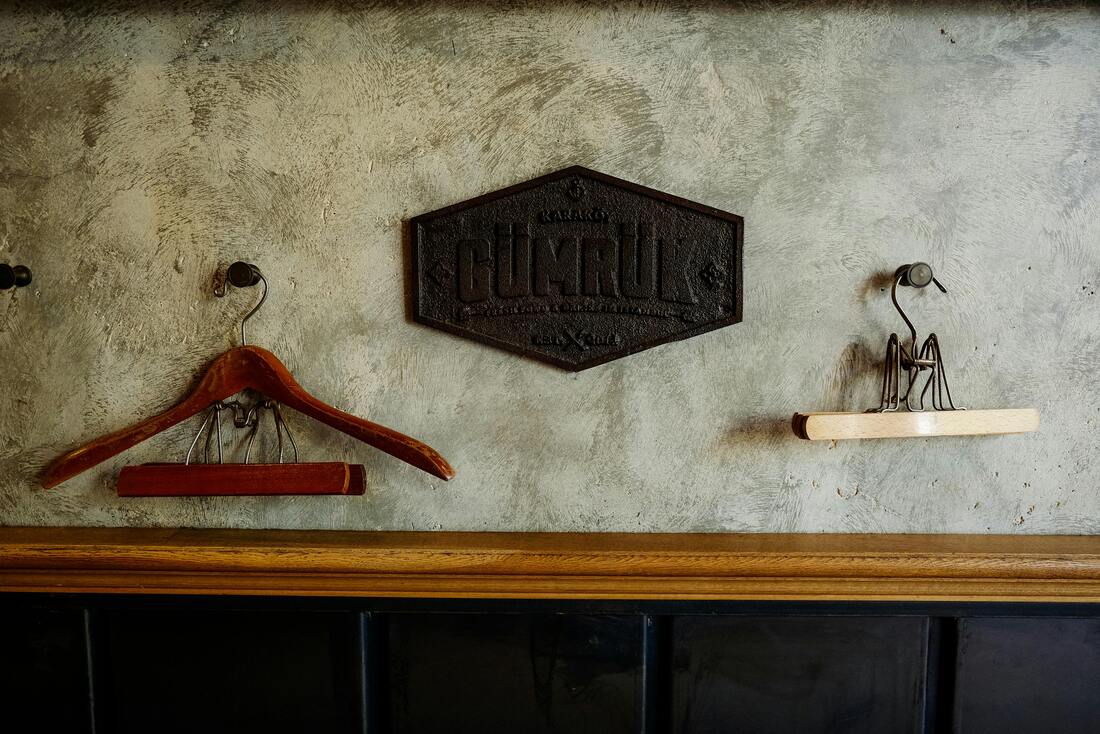
Clothes hooks have been around a *long* time, way before we had the kind we use now.
Back then: People just used what they could find – tree limbs, pointy sticks, or banging nails into walls to hang their stuff.
Around the 1700s and 1800s: Metal hooks started showing up, usually made of iron or that yellow metal.
When Queen Victoria was around: Fancy hooks became a thing in hallways and where people kept their coats.
From the 1900s on: Hooks got all kinds of upgrades–sticky ones, that can fold, that stick to metal, and even smart ones!
The cool thing about a clothes hook is it's so simple. It's just a bent piece of something that solves one of those things everyone needs: a place to put their stuff.
Parts of a Hook:
Most hooks have the same basic bits:
The Flat Part:
This is what sticks to the wall.
It can be circles, squares, or look nice.
Sometimes it has something soft on the back, so it doesn't hurt the wall.
The Arm Part:
This is what sticks out where you hang things.
It could have one, two, or even three prongs.
The tips are usually smooth, so they don't ruin your clothes.
How It Stays Up:
Screws, nails, sticky pads, or those cup things that use air.
Some even hide the screws, so it looks cleaner.
Kinds of Hooks:
A. On-the-Wall Hooks
You screw or nail these right into the wall or some wood.
You see them in hallways, near doors, and bathrooms.
You can get one or a bunch together on a board.
Good: They last, they're tough, and they stay put.
Not so good: You gotta drill, and they leave holes.
B. Over-the-Door Hooks
These hang over the top of the door.
Great if you rent or don't want to make holes.
Good: No holes needed, you can move them around, easy to put up.
Not so good: Might stop the door from closing all the way or mess up the paint if you put too much on them.
C. Metal-Sticking Hooks
These use strong magnets to stick to metal like lockers or fridges.
Good for offices, kitchens, or where you keep the car.
Good: Can use them again, no tools needed.
Not so good: Only work on metal that sticks to magnets.
D. Sticky or Air-Suction Hooks
These stick to walls with glue or those air-cup things.
Good for bathrooms or kitchens where you don't want to drill.
Good: Easy to stick on and pull off.
Not so good: Can't hold a lot, and the sticky stuff might stop working if it's wet.
E. Stand-Up Hooks
Like coat racks, or those tree-looking things with hooks.
Good for entrances and offices.
Good: Hold a lot of stuff, don't need to put them on the wall.
Not so good: Take up space on the floor.
F. That Can Fold Hooks
The arms fold flat when you don't need them.
Good for small places, trailers, or closets.
Good: Save space, look modern.
Not so good: Can be a bit more hard to find and cost a bit more.
What They're Made Of:
Material How Strong Looks Best Place to Use Things to Know
Metal that doesn't rust Tough New, clean Bathrooms, kitchens Won't get rusty
That yellow metal Tough Old-fashioned Entrances Gets a nice color over time
That light metal Not too tough Smooth, light Offices, bedrooms Doesn't rust easy
That strong metal Very Tough Old-timey Outside, shop room Needs paint so it doesn't rust
Wood (like oak) Not too tough Like nature Bedrooms, hallways Can bend if it gets wet
Plastic Not too tough You can do a lot with it Kids’ rooms, for now Light, cheap
That thing you put in toilets Weak Like art Just to look at Breaks easy, just for show
How to Put Them Up:
A. With Screws
Mark where you want to drill with a pencil.
Use those plastic things for walls if you're putting it on drywall.
Screw the flat part tight to the wall.
Put the hook on the flat part (if it comes in two bits).
B. With Sticky Stuff
Clean the wall and make sure it's dry.
Peel off the back and press it hard for about a minute.
Wait a few hours before you hang anything on it.
C. With Magnets
Make sure the metal sticks to magnets.
Just put it on and move it where you want.
D. Over the Door
Hang it over the top of the door.
Move it, so the hook doesn't keep the door from shutting.
How Much Can It Hold?
Hook Weight It Can Hold What You Can Hang
Sticky About 2-6 pounds Towels, hats
Plastic with Screws About 6-10 pounds Light coats
Metal on the Wall About 10-20 pounds Coats, bags
That Stands Up About 20-40 pounds Lots of stuff
Strong Ones 40+ pounds Tools, shop stuff
Make sure the hook can hold what you're putting on it and that the wall is strong enough.
Drywall needs those plastic things.
Wood is okay for screws.
For those bathroom square things, you need certain drill bits and be careful.
Where to Put Them:
Room What You Use Them For What Kind of Hook
Entrance Coats, hats, bags, keys Metal or wood
Bathroom Towels, robes Metal that doesn't rust or sticky plastic
Bedroom Clothes, belts Wood or metal that looks nice
Kitchen Spoons, aprons Metal that sticks or sticky
Office Bags, headphones Over the desk or on the wall
Shop room Tools Strong metal
Kids’ Room Backpacks, coats Plastic that's colorful or shaped like animals
What They Look Like Now:
Simple: Metal, hidden screws, plain shapes.
Old School: Screws you can see, that strong metal, old-looking paint.
Like Nature: Wood, boards that look old.
New: Dark, metal that doesn't rust, can fold.
Fun: Animal shapes, bright colors.
Like Art: Hooks that look like art on the wall.
Taking Care of Them:
Metal: Wipe with a wet cloth, then dry. Use cleaner for metal that glows.
Wood: Dust it; put wax on it sometimes.
Plastic: Keep it out of the sun; the sticky stuff can dry out.
Things made of porcelain: Be careful; check for cracks.
If the hook gets loose, tighten the screws or put on new sticky stuff.
Staying Safe:
Put them at shoulder height (about 5-6 feet) for grown-ups.
For kids, put them lower (about 3 feet).
Don't put hooks behind doors that open in – watch out for hitting them.
Make sure the ends are smooth, so no one gets hurt.
Being Green:
You can make hooks from stuff you already have:
Old tools: Bendy things or spoons for hooks.
Tree limbs: Sand them and paint them.
Little round things: Put them on the wall.
Old wood: Put metal hooks on it for a beachy look.
Metal or wood that isn't being used: Good and special.
Using stuff from close by or fixing up old wood helps cut down on trash.
New Ideas:
Smart Hooks: Lights that turn on when you move, or warmers to dry coats.
Hooks that Move: Hooks that slide on a rail, so you can move them.
Hooks That Do More: Have mirrors, shelves, or chargers.
Hidden Hooks: Pop out when you need them.
Buying and Putting Them Up:
Think about what you need it for first, how it looks second.
Think about the wall before you pick how to put it up.
Leave space between them (about 4-6 inches) so you can hang things easy.
If people share, put names or colors on them, so things don't get mixed up.
Back then: People just used what they could find – tree limbs, pointy sticks, or banging nails into walls to hang their stuff.
Around the 1700s and 1800s: Metal hooks started showing up, usually made of iron or that yellow metal.
When Queen Victoria was around: Fancy hooks became a thing in hallways and where people kept their coats.
From the 1900s on: Hooks got all kinds of upgrades–sticky ones, that can fold, that stick to metal, and even smart ones!
The cool thing about a clothes hook is it's so simple. It's just a bent piece of something that solves one of those things everyone needs: a place to put their stuff.
Parts of a Hook:
Most hooks have the same basic bits:
The Flat Part:
This is what sticks to the wall.
It can be circles, squares, or look nice.
Sometimes it has something soft on the back, so it doesn't hurt the wall.
The Arm Part:
This is what sticks out where you hang things.
It could have one, two, or even three prongs.
The tips are usually smooth, so they don't ruin your clothes.
How It Stays Up:
Screws, nails, sticky pads, or those cup things that use air.
Some even hide the screws, so it looks cleaner.
Kinds of Hooks:
A. On-the-Wall Hooks
You screw or nail these right into the wall or some wood.
You see them in hallways, near doors, and bathrooms.
You can get one or a bunch together on a board.
Good: They last, they're tough, and they stay put.
Not so good: You gotta drill, and they leave holes.
B. Over-the-Door Hooks
These hang over the top of the door.
Great if you rent or don't want to make holes.
Good: No holes needed, you can move them around, easy to put up.
Not so good: Might stop the door from closing all the way or mess up the paint if you put too much on them.
C. Metal-Sticking Hooks
These use strong magnets to stick to metal like lockers or fridges.
Good for offices, kitchens, or where you keep the car.
Good: Can use them again, no tools needed.
Not so good: Only work on metal that sticks to magnets.
D. Sticky or Air-Suction Hooks
These stick to walls with glue or those air-cup things.
Good for bathrooms or kitchens where you don't want to drill.
Good: Easy to stick on and pull off.
Not so good: Can't hold a lot, and the sticky stuff might stop working if it's wet.
E. Stand-Up Hooks
Like coat racks, or those tree-looking things with hooks.
Good for entrances and offices.
Good: Hold a lot of stuff, don't need to put them on the wall.
Not so good: Take up space on the floor.
F. That Can Fold Hooks
The arms fold flat when you don't need them.
Good for small places, trailers, or closets.
Good: Save space, look modern.
Not so good: Can be a bit more hard to find and cost a bit more.
What They're Made Of:
Material How Strong Looks Best Place to Use Things to Know
Metal that doesn't rust Tough New, clean Bathrooms, kitchens Won't get rusty
That yellow metal Tough Old-fashioned Entrances Gets a nice color over time
That light metal Not too tough Smooth, light Offices, bedrooms Doesn't rust easy
That strong metal Very Tough Old-timey Outside, shop room Needs paint so it doesn't rust
Wood (like oak) Not too tough Like nature Bedrooms, hallways Can bend if it gets wet
Plastic Not too tough You can do a lot with it Kids’ rooms, for now Light, cheap
That thing you put in toilets Weak Like art Just to look at Breaks easy, just for show
How to Put Them Up:
A. With Screws
Mark where you want to drill with a pencil.
Use those plastic things for walls if you're putting it on drywall.
Screw the flat part tight to the wall.
Put the hook on the flat part (if it comes in two bits).
B. With Sticky Stuff
Clean the wall and make sure it's dry.
Peel off the back and press it hard for about a minute.
Wait a few hours before you hang anything on it.
C. With Magnets
Make sure the metal sticks to magnets.
Just put it on and move it where you want.
D. Over the Door
Hang it over the top of the door.
Move it, so the hook doesn't keep the door from shutting.
How Much Can It Hold?
Hook Weight It Can Hold What You Can Hang
Sticky About 2-6 pounds Towels, hats
Plastic with Screws About 6-10 pounds Light coats
Metal on the Wall About 10-20 pounds Coats, bags
That Stands Up About 20-40 pounds Lots of stuff
Strong Ones 40+ pounds Tools, shop stuff
Make sure the hook can hold what you're putting on it and that the wall is strong enough.
Drywall needs those plastic things.
Wood is okay for screws.
For those bathroom square things, you need certain drill bits and be careful.
Where to Put Them:
Room What You Use Them For What Kind of Hook
Entrance Coats, hats, bags, keys Metal or wood
Bathroom Towels, robes Metal that doesn't rust or sticky plastic
Bedroom Clothes, belts Wood or metal that looks nice
Kitchen Spoons, aprons Metal that sticks or sticky
Office Bags, headphones Over the desk or on the wall
Shop room Tools Strong metal
Kids’ Room Backpacks, coats Plastic that's colorful or shaped like animals
What They Look Like Now:
Simple: Metal, hidden screws, plain shapes.
Old School: Screws you can see, that strong metal, old-looking paint.
Like Nature: Wood, boards that look old.
New: Dark, metal that doesn't rust, can fold.
Fun: Animal shapes, bright colors.
Like Art: Hooks that look like art on the wall.
Taking Care of Them:
Metal: Wipe with a wet cloth, then dry. Use cleaner for metal that glows.
Wood: Dust it; put wax on it sometimes.
Plastic: Keep it out of the sun; the sticky stuff can dry out.
Things made of porcelain: Be careful; check for cracks.
If the hook gets loose, tighten the screws or put on new sticky stuff.
Staying Safe:
Put them at shoulder height (about 5-6 feet) for grown-ups.
For kids, put them lower (about 3 feet).
Don't put hooks behind doors that open in – watch out for hitting them.
Make sure the ends are smooth, so no one gets hurt.
Being Green:
You can make hooks from stuff you already have:
Old tools: Bendy things or spoons for hooks.
Tree limbs: Sand them and paint them.
Little round things: Put them on the wall.
Old wood: Put metal hooks on it for a beachy look.
Metal or wood that isn't being used: Good and special.
Using stuff from close by or fixing up old wood helps cut down on trash.
New Ideas:
Smart Hooks: Lights that turn on when you move, or warmers to dry coats.
Hooks that Move: Hooks that slide on a rail, so you can move them.
Hooks That Do More: Have mirrors, shelves, or chargers.
Hidden Hooks: Pop out when you need them.
Buying and Putting Them Up:
Think about what you need it for first, how it looks second.
Think about the wall before you pick how to put it up.
Leave space between them (about 4-6 inches) so you can hang things easy.
If people share, put names or colors on them, so things don't get mixed up.